
آندهای سیلیکون-کربن - ارتقای مادهای که پشت باتریهای خودروهای الکتریکی قرار دارد
Aug 17 , 2026آندهای سیلیکون-کربن - ارتقای مادهای که پشتوانه باتریهای خودروهای برقی است
در پسزمینه توسعه سریع خودروهای برقی، «پیمایش» و «شارژ سریع» به عوامل رقابتی کلیدی در فناوری باتریهای قدرت تبدیل شدهاند. در سالهای اخیر، اصطلاحی که بهطور مکرر در سراسر صنعت ظاهر میشود، توجه فزایندهای را به خود جلب کرده است: آندهای سیلیکون-کربن. از تولیدکنندگان باتریهای قدرت و تأمینکنندگان مواد گرفته تا حوزههای آزمایشگاهی، آندهای سیلیکون-کربن بهتدریج به عنوان یک جهتگیری حیاتی برای ارتقای مواد انرژیهای نو در حال ظهور هستند. بنابراین، آندهای سیلیکون-کربن دقیقاً چه هستند؟ چرا شرکتهای بیشتری شروع به سرمایهگذاری روی آنها کردهاند؟ و چرا آنالیز عنصری برای توسعه آنها بسیار ضروری است؟
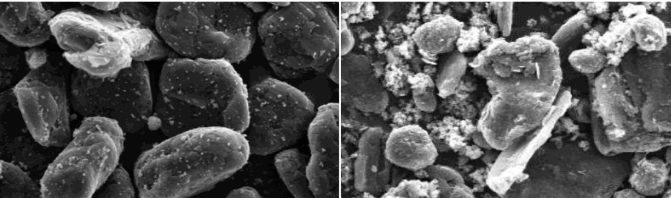
آند سیلیکون-کربن چیست؟
مواد آندی باتریهای لیتیومی سنتی عمدتاً بر پایه گرافیت هستند. اگرچه گرافیت پایداری خوبی ارائه میدهد، اما ظرفیت تئوری آن بهتدریج به حد نهایی خود نزدیک شده است. از آنجایی که خودروهای برقی همچنان به دنبال پیمایش بیشتر، چگالی انرژی بالاتر و سرعت شارژ سریعتر هستند، آندهای گرافیتی مرسوم شروع به مواجهه با محدودیتهایی کردهاند. سیلیکون، با ظرفیت ویژه تئوری که بسیار فراتر از گرافیت است، به عنوان یک جهتگیری کلیدی برای نسل بعدی آندهای با چگالی انرژی بالا در نظر گرفته میشود. یکی از رویکردهای اصلی فعلی صنعت شامل ترکیب سیلیکون با مواد کربنی برای ایجاد یک «آند سیلیکون-کربن» است.
چرا آند سیلیکون-کربن مورد توجه قرار گرفته است؟
در مقایسه با آندهای گرافیتی سنتی، آندهای سیلیکون-کربن چگالی انرژی بالاتر، ظرفیت ذخیرهسازی لیتیوم بیشتر ارائه میدهند و برای باتریهای با پیمایش بالا و کاربردهای شارژ سریع مناسبتر هستند. بهویژه در حوزههایی مانند خودروهای برقی، باتریهای شارژ سریع، باتریهای حالت جامد و ذخیرهسازی انرژی پیشرفته، پذیرش آندهای سیلیکون-کربن بهسرعت در حال رشد است. امروزه، تعداد فزایندهای از تولیدکنندگان باتریهای قدرت در حال تسریع سرمایهگذاری خود در فناوری آند سیلیکون-کربن هستند و صنعت مواد انرژیهای نو وارد مرحله جدیدی از پیشرفتهای فناورانه شده است.
چرا تست آند سیلیکون-کربن اهمیت فزایندهای پیدا میکند؟
اگرچهآندهای سیلیکون-کربنپتانسیل عملکرد بالاتری ارائه میدهند، اما فرآیند تولید آنها نیز پیچیدهتر است. برای مثال، مواد سیلیکونی مستعد انبساط هستند، به ثبات مواد بالایی نیاز دارند، نسبت به ناخالصیها حساسترند و پایداری فرآیندی بیشتری را میطلبند. در نتیجه، آنالیز عنصری در طول توسعه و تولید مواد بهطور فزایندهای حیاتی شده است. بهویژه، عواملی مانند محتوای کربن، محتوای اکسیژن، محتوای نیتروژن و کنترل ناخالصی مستقیماً بر عملکرد مواد و پایداری باتری تأثیر میگذارند.
برای تولیدکنندگان مواد خودروهای برقی، تست آزمایشگاهی نه تنها جزء کلیدی کنترل کیفیت است، بلکه بهتدریج به مبنایی حیاتی برای بهینهسازی فرآیند تبدیل میشود.
تستهای آند سیلیکون-کربن چه الزاماتی را به آزمایشگاهها تحمیل میکنند؟
همانطور که مواد خودروهای برقی به سمت عملکرد بالاتر و خلوص بیشتر تکامل مییابند، تقاضای آزمایشگاهها برای تجهیزات تحلیلی همچنان در حال افزایش است.
تست مواد آند سیلیکون-کربن معمولاً به دقت اندازهگیری بالاتر، تکرارپذیری بهتر، ثبات دادههای پایدارتر و کارایی آنالیز سریعتر نیاز دارد—بهویژه در مرحله توسعه مواد، که در آن ثبات دادههای عنصری اغلب مستقیماً بر تنظیمات فرآیند و اعتبارسنجی محصول تأثیر میگذارد.
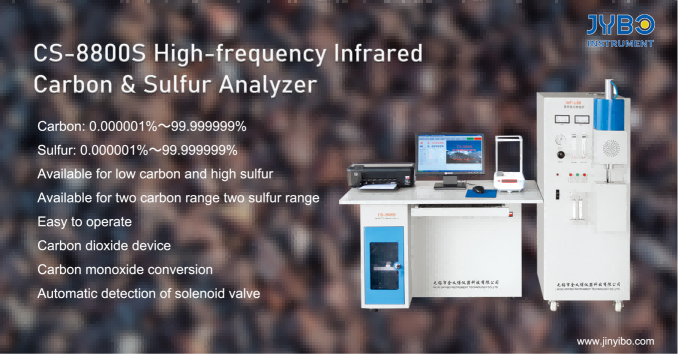
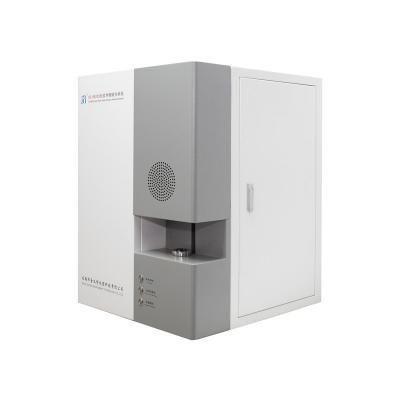
آنالایزرهای کربن-گوگرد مادون قرمز با فرکانس بالاوآنالایزرهای اکسیژن-نیتروژن-هیدروژنبهطور گسترده در زمینه آنالیز عنصری برای مواد انرژیهای نو به کار گرفته شدهاند.JYBO Instrumentراهکارهای آنالیز عنصری را برای صنایعی مانند انرژیهای نو، مواد جدید و تولید پیشرفته ارائه میدهد. آنالایزر کربن-گوگرد مادون قرمز با فرکانس بالا امکان تشخیص سریع عناصر کربن و گوگرد را در مواد فراهم میکند. آنالایزر اکسیژن-نیتروژن-هیدروژن برای آنالیز اکسیژن، نیتروژن و هیدروژن در مواد با خلوص بالا و مواد انرژیهای نو مناسب است.
سوالات متداول
س۱: چرا آنالیز عنصری دقیق در تولید آندهای سیلیکون-کربن ضروری است؟
مواد مبتنی بر سیلیکون با چالشهایی مانند انبساط حجمی شدید در طول چرخه، حساسیت بالا به ناخالصیها و دشواری در کنترل ثبات مواجه هستند. محتوای دقیق عناصر کلیدی (C, O, N, H, S) و ناخالصیهای جزئی مستقیماً بازده کولنی اولیه (ICE)، عمر چرخه و عملکرد نرخ آندهای سیلیکون-کربن را تعیین میکند. آنالیز عنصری دقیق به عنوان پایه اصلی برای کنترل کیفیت، بهینهسازی فرآیند و تأیید محصول عمل میکند.آنالایزرهای کربن/گوگرد مادون قرمز با فرکانس بالاوآنالایزرهای اکسیژن/نیتروژن/هیدروژناستاندارد صنعت هستند و تشخیص سریع و با دقت بالا را برای تحقیق و توسعه و تولید انبوه فراهم میکنند.
س۲: الزامات اصلی برای دادههای تست آزمایشگاهی در آنالیز آند سیلیکون-کربن چیست؟
تحقیق و توسعه و تولید انبوه آندهای سیلیکون-کربن نیازمند قابلیت اطمینان بسیار دقیق دادهها است. تجهیزات تست باید دقت در سطح ردیابی، تکرارپذیری و بازتولیدپذیری (R&R) استثنایی و توان عملیاتی تحلیلی بالا ارائه دهند. دادههای پایدار و دقیق پیششرطی ضروری برای بهینهسازی فرآیندهای تولید، دستیابی به تأییدیه محصول OEM و تضمین ثبات و پایداری نهایی سلول باتری است.
لطفاً برای پرسشهای بیشتر یا اطلاعات دقیق با ما تماس بگیرید!
تلفن: 6805 5283-183-86+
ایمیل: sales@jinyibo.com
وبسایت: www.jinyibo.com

© کپی رایت © 2026 Wuxi Jinyibo Instrument Technology Co.,Ltd تمامی حقوق محفوظ است.
نقشه سایت | Xml | سیاست حفظ حریم خصوصی | 苏ICP备18046951号-1