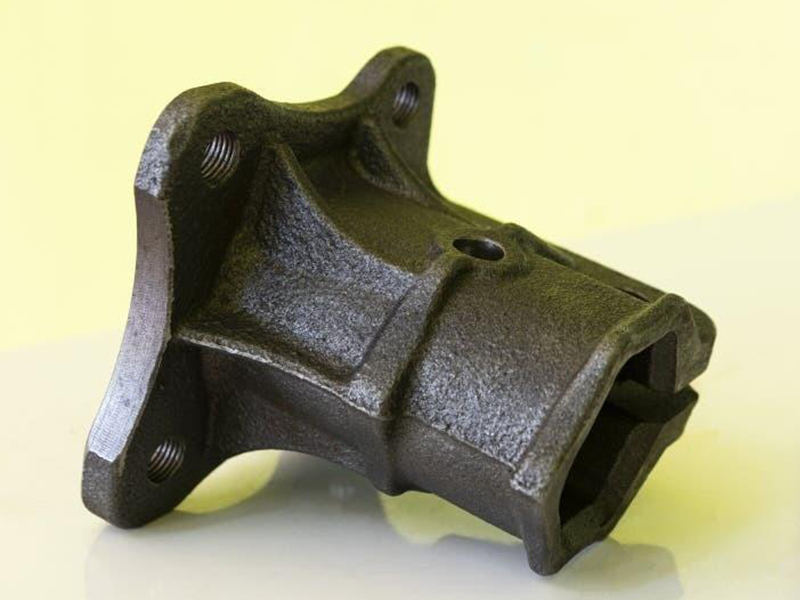
طیفسنج: «نگهبان کیفیت» در تولید روزانه یک کارخانه ریختهگری
برای کارخانههای ریختهگری، «رعایت الزامات قطعات» اصل اساسی تولید و کلید بقا است. چه کنترل دقیق ذوب آهن مذاب باشد و چه پذیرش قطعات ریختهگری واجد شرایط، هرگونه انحراف در ترکیب در هر مرحله میتواند منجر به از رده خارج شدن کل کوره ریختهگری شود و در نتیجه دهها یا حتی صدها هزار یوان ضرر به بار آورد.
طیفسنج جرقهای با قرائت مستقیم طیف کامل
به عنوان یک "دروازه بان کیفیت" در طول تولید روزانه ریخته گری ها عمل می کند و بی سر و صدا از ثبات و کارایی هر فرآیند محافظت می کند.
نقطه ضعف اصلی تولید ریختهگری، «نامرئی بودن و عدم دقت» آن است - ترکیب آهن مذاب را نمیتوان با چشم غیرمسلح تشخیص داد و آزمایشهای آزمایشگاهی سنتی زمانبر است. اغلب، تا زمانی که نتایج آماده شوند، کوره از قبل بیکار بوده است که نه تنها مانع ظرفیت تولید میشود، بلکه خطر ترکیب کنترل نشده را نیز افزایش میدهد. ظهور طیفسنج جرقهای با خواندن مستقیم طیف کامل، این بنبست را کاملاً شکسته و کارایی و دقت آزمایش را به سطح جدیدی ارتقا داده و به یک قطعه اصلی و ضروری از تجهیزات در تولید روزانه ریختهگریها تبدیل شده است.
در تولید روزانه کارخانههای ریختهگری، کاربرد طیفسنجها عمدتاً در سه حوزه اصلی متمرکز است که هر کدام مستقیماً کیفیت محصول و راندمان تولید را تعیین میکنند.
مهمترین سناریوی کاربردی، آنالیز پیش از کوره است که طیفسنجها نیز در همین بخش، هر روز بیشتر مورد استفاده قرار میگیرند. هنگامی که یک کوره الکتریکی یا کوره القایی، آهن خام، قراضه فولاد و سایر مواد خام را به آهن و فولاد مذاب تبدیل میکند، کارگران فقط باید یک قاشق از آهن مذاب را بردارند، آن را در یک نمونه کوچک ریخته، صاف کنند و روی ... قرار دهند.
طیفسنج جرقه
، در عرض 20 ثانیه، محتوای عناصر کلیدی مانند کربن (C)، سیلیکون (Si)، منگنز (Mn) و گوگرد (S) را میتوان به سرعت تشخیص داد، که امکان کنترل دقیق معادل کربن و جلوگیری از عیوب مهلک مانند حفرههای انقباضی و ترکها در ریختهگریها را فراهم میکند. در مقایسه با زمان انتظار 30 دقیقهای آزمایش سنتی، تشخیص سریع طیفسنج، نیاز به خاموش بودن کوره را از بین میبرد، ظرفیت هدر رفته را کاهش میدهد و امکان تنظیم به موقع ترکیب آلیاژ را فراهم میکند. این امر از خطر دور انداختن کل کوره از منبع، که کلید اصلی کاهش هزینه برای ریختهگریها است، جلوگیری میکند.
علاوه بر «نظارت لحظهای» در کوره، طیفسنج نقش مهمی در بازرسیهای نمونهبرداری فرآیند در داخل کوره نیز ایفا میکند. در طول فرآیند ذوب آهن مذاب، پس از افزودن مواد آلیاژی و قبل از استخراج، کارگران به طور تصادفی از آهن مذاب نمونهبرداری و آزمایش میکنند تا تأیید کنند که ترکیب داخل کوره پایدار است و هیچ مشکلی مانند مواد مخلوط یا گریدهای نادرست وجود ندارد. به خصوص در تولید چدن نشکن و ریختهگری فولاد ضد زنگ، طیفسنجها میتوانند محتوای عناصر کمیاب مانند منیزیم (Mg)، کروم (Cr) و نیکل (Ni) را به طور دقیق تشخیص دهند و اطمینان حاصل کنند که سختی، چقرمگی و سایر خواص ریختهگریها مطابق با استانداردها است و از تأثیر نوسانات ترکیب بر پردازشهای بعدی جلوگیری میکند.
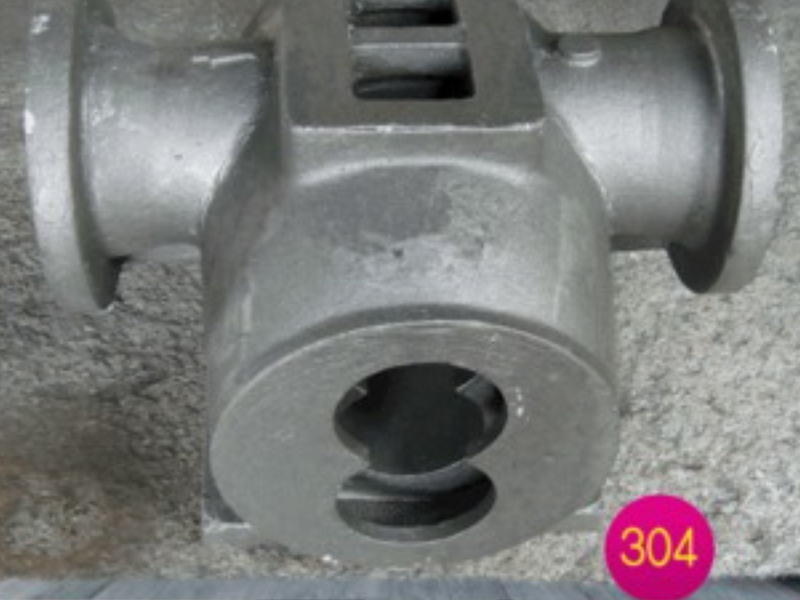
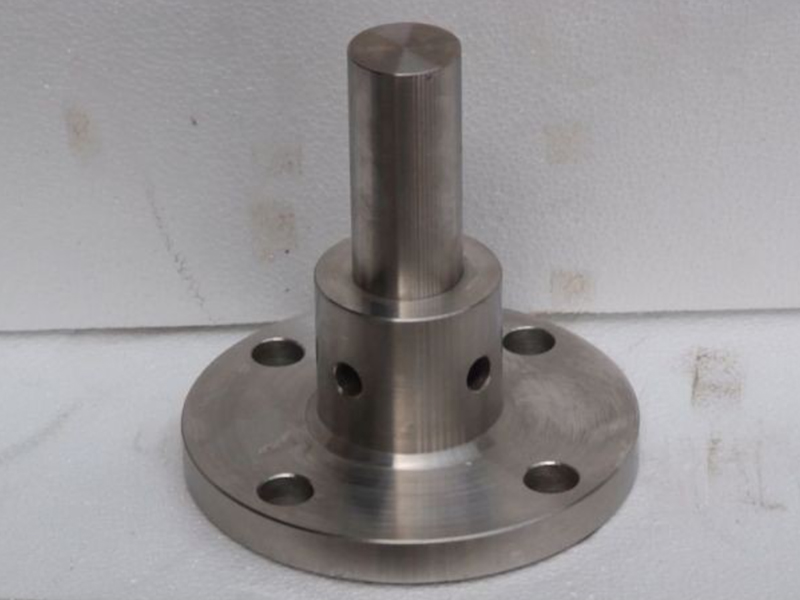
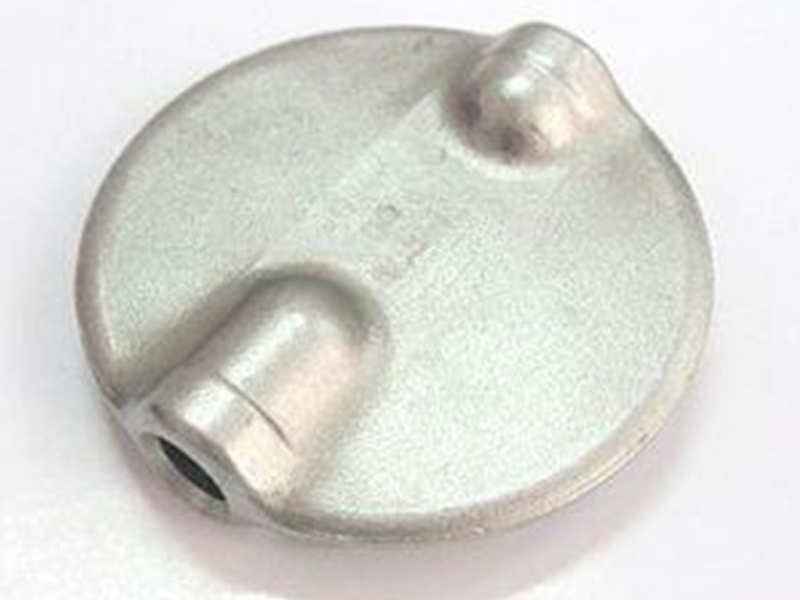
در نهایت، طیفسنجها به همان اندازه در بازرسی ورودی قطعات ریختهگری ضروری هستند. قبل از انبارداری، قطعات فلنج، بدنه شیرها، محفظههای پمپ و سایر محصولات تولید شده توسط کارخانههای ریختهگری نیاز به نمونهبرداری تصادفی و آزمایش طیفسنج دارند تا تأیید شود که مواد با الزامات سفارش مطابقت دارند و از ورود محصولات کوره مخلوط یا محصولات با درجه نادرست به کارخانههای سختافزار پاییندستی جلوگیری شود. در عین حال، طیفسنجها میتوانند به سرعت گزارشهای آزمایش کامل عنصر را تولید کنند که نه تنها شواهد مهمی برای کنترل کیفیت سازمانی هستند، بلکه استانداردهای پذیرش مشتری را نیز برآورده میکنند و به کارخانههای ریختهگری کمک میکنند تا سفارشهای سطح بالا را تضمین کرده و اعتماد مشتری را جلب کنند.
امروزه، با سختگیرانهتر شدن الزامات صنعت ریختهگری برای کیفیت محصول، طیفسنجها دیگر «تجهیزات اختیاری» نیستند، بلکه «ابزاری ضروری» برای کارخانههای ریختهگری کوچک و متوسط جهت غلبه بر تنگناهای توسعه و برای کارخانههای ریختهگری بزرگ جهت تضمین ظرفیت تولید پایدار هستند. این دستگاه نه تنها نقاط ضعف راندمان پایین و دقت پایین روشهای سنتی آزمایش را حل میکند، بلکه به شرکتها کمک میکند تا از طریق کنترل دقیق ترکیب، هزینههای نیروی کار و ضایعات را کاهش دهند و به کاهش هزینه و بهبود راندمان دست یابند.
برای کارخانههای ریختهگری، ارزش یک طیفسنج هرگز فقط به عنوان یک دستگاه تست سرد نیست، بلکه یک سیستم تضمین کیفیت است که در کل فرآیند تولید جریان دارد، یک "نگهبان نامرئی" که از اعتبار و سود شرکت محافظت میکند و یک نیروی اصلی است که به صنعت ریختهگری کمک میکند تا به توسعه با کیفیت بالا دست یابد.
لطفا برای سوالات بیشتر یا اطلاعات دقیق با ما تماس بگیرید!
تلفن: +86-183-5283 6805
ایمیل: sales@jinyibo.com