مقاله سفید: کاربرد فناوری تجزیه و تحلیل طیفسنجی در مراکز داده خنکشده با مایع هوش مصنوعی
I. بررسی اجمالی
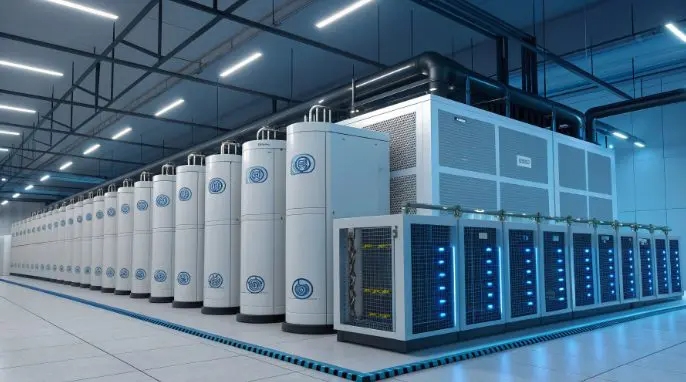
با رشد انفجاری هوش مصنوعی (AI) و محاسبات با کارایی بالا (HPC)، چگالی حرارتی در مراکز داده با سرعت بیسابقهای در حال افزایش است. فناوری خنککننده مایع، که به دلیل راندمان بالای دفع حرارت خود مشهور است، به یک راهحل زیرساختی استاندارد برای سرورهای هوش مصنوعی با چگالی بالا تبدیل شده است. به عنوان "خون" اصلی سیستم، پایداری شیمیایی، رسانایی الکتریکی و خلوص مایع خنککننده مستقیماً طول عمر عملیاتی و ایمنی خوشههای هوش مصنوعی را تعیین میکند.
فناوری تجزیه و تحلیل طیفسنجی (شامل
مادون قرمز نزدیک
،
آنالیزورهای XRF
،
میکرو رامان
،
طیفسنجی جرمی هلیوم
، و
ICP-MS
) به عنوان یک روش تجزیه و تحلیل پیشرفته، با دقت بالا و تا حدی غیر مخرب که قادر به نظارت آنلاین در زمان واقعی است، عمل میکند. این روش به عنوان یک فناوری حیاتی که کل چرخه عمر سیستمهای خنککننده مایع را محافظت میکند - شامل تحقیق و توسعه، تولید و نگهداری عملیاتی - ظهور کرده است.
دوم. سناریوهای برنامههای کاربردی اصلی
۱. «نظارت ۲۴ ساعته و ۷ روز هفته در تمام شرایط آب و هوایی» بر وضعیت سلامت مایع خنککننده
برای هر دو روش خنکسازی مایع صفحه سرد (مبتنی بر آب/گلیکول) و خنکسازی مایع غوطهوری (سیالات الکترونیکی فلوئوردار، مانند سیالات فلوئوروکربن و پرفلوئوروپلیاترها)، طیفسنجها تغییرات در طیفهای مشخصه مولکولی را تجزیه و تحلیل میکنند تا به نظارت کمی دقیقی بر ترکیب خنککننده دست یابند.
پایش غلظت بازدارنده خوردگی: با تجزیه و تحلیل شدت پیکهای طیفی، اثربخشی ضد خوردگی را ارزیابی میکند و به طور مؤثر از خوردگی موضعی در خطوط لوله فلزی جلوگیری میکند.
تجزیه و تحلیل محتوای یون فلزی (Cu/Fe/Al): با استفاده از
آنالایزر XRF دستی
(طیفسنج دستی xrf) برای غربالگری سریع در محل برای شناسایی زودهنگام محصولات سایش در سطح ppm، و ارائه هشدارهای اولیه برای خطرات خوردگی و رسوبگذاری. تعیین مقدار عناصر بسیار کمیاب را میتوان در آزمایشگاهها با استفاده از ICP-MS بیشتر تأیید کرد.
عملکرد عایق و محصولات تخریبشده: در سیستمهای خنککننده غوطهوری، یک طیفسنج مادون قرمز نزدیک (NIR) به صورت آنلاین میزان رطوبت و محصولات تجزیه آلی را در مایعات فلوئوردار رصد میکند و خطرات اتصال کوتاه ناشی از تغییرات ثابت دیالکتریک یا کاهش عملکرد عایق را از بین میبرد.
مزیت کاربردی: نیاز به نمونهبرداری دستی را از بین میبرد و امکان نظارت خودکار آنلاین ۲۴ ساعته را برای شناسایی حالتهای «زیر سلامت» قبل از وقوع خرابی سیستم فراهم میکند و خطرات خرابی برنامهریزی نشده را به شدت کاهش میدهد.
۲. مدیریت حرارتی میکروسکوپی و تحلیل شکست (مرحله تحقیق و توسعه)
در طول مرحله توسعه تراشه برای شتابدهندههای هوش مصنوعی، طیفسنجی میکرو رامان نقشی غیرقابل جایگزین ایفا میکند:
مکانیابی نقاط داغ در مقیاس میکرو: از رابطه خطی بین جابجایی رامان و دما برای انجام نقشهبرداری میدان دمایی بلادرنگ، در مقیاس زیر میکرون و بدون تماس روی ساختارهای داخلی تراشههای هوش مصنوعی استفاده میکند.
تحلیل رفتار حرارتی گذرا: نوسانات دمای گذرا را هنگامی که تراشه تحت بارهای محاسباتی اوج کار میکند، ثبت میکند، راندمان واقعی طرحهای اتلاف گرما را اعتبارسنجی میکند و دادههای تجربی را برای بهینهسازی معماریهای حرارتی ارائه میدهد.
۳. سیستم بدون نشتی و تشخیص نشت با حساسیت بالا
در پیکربندیهای خنککننده مایع رسانا، حتی نشتهای میکروسکوپی سیال میتواند منجر به اتصال کوتاه فاجعهبار یا تخریب دائمی سختافزار شود. تشخیص نشت طیفسنجی جرمی هلیوم از هلیوم به عنوان گاز ردیاب استفاده میکند. با استفاده از یک آشکارساز نشت طیفسنج جرمی هلیوم بسیار حساس، نرخ نشت فوقالعاده جزئی را کشف میکند و تضمین میکند که سیستمها به استاندارد مطلق "صفر نشت" دست مییابند. این روش برای آزمایش در کارخانه CDUها (واحدهای توزیع خنککننده)، کوپلینگهای قطع سریع و جوشهای خط لوله ایدهآل است.
۴. تأیید انطباق و خلوص مایع خنککننده (تضمین کیفیت ورودی)
در طول دریافت سیال یا تعویض دستهای، خنککنندهها باید با آستانههای خلوص بسیار بالا مطابقت داشته باشند تا از تجمع ناخالصیهای ناچیز که باعث افزایش رسانایی الکتریکی میشوند، جلوگیری شود. طیفسنجی جرمی پلاسمای جفتشده القایی (ICP-MS) تجزیه و تحلیل عنصری بسیار ناچیز در سطح ppt را ارائه میدهد و تضمین میکند که محتوای فلزات سنگین و نمک معدنی با مقررات سختگیرانه مراکز داده نسل بعدی مطابقت دارد.
III. ماتریس انتخاب طیفسنج رایج
|
نوع ابزار
|
ویژگیهای فنی
|
زمینههای کاربردی پیشنهادی
|
|
طیفسنج مادون قرمز نزدیک (NIR)
|
استقرار آنلاین، غیر مخرب، مقرون به صرفه
|
ترمینال عملیات و نگهداری: نظارت خودکار و بلادرنگ بر سلامت سیالات خنککننده
|
|
طیفسنج دستی XRF
|
تجزیه و تحلیل در محل، غربالگری سریع چند عنصری
|
ترمینال بازرسی: غربالگری سریع میدانی یونهای خوردگی فلزی
|
|
طیفسنج میکرو رامان
|
وضوح مکانی بالا، اندازهگیری غیرتماسی
|
ترمینال تحقیق و توسعه: تحلیل شکست حرارتی تراشه و اعتبارسنجی طراحی حرارتی
|
|
آشکارساز نشتی طیفسنج جرمی هلیوم
|
حساسیت فوق العاده بالا، پاسخ آنی
|
ترمینال تولید: تضمین کیفیت هرمسیتی برای ماژولهای صفحه سرد و مجموعههای یکپارچه
|
|
طیفسنج ICP-MS
|
حساسیت بسیار بالا، اندازهگیری دقیق عناصر
|
ترمینال آزمایشگاهی: انطباق با استانداردهای خنککننده ورودی و کنترل کیفیت فوق خالص
|
چهارم. ارزش استراتژیک و چشمانداز آینده
۱. ارزش صنعت
به حداکثر رساندن قابلیت اطمینان سیستم: تشخیص نشت فیزیکی را با پیشبینی خوردگی شیمیایی پیوند میدهد و مانعی همهجانبه در برابر خطرات عملیاتی پنهان ایجاد میکند.
بهینهسازی هزینههای عملیاتی (OPEX): عملیات را از «جایگزینی مبتنی بر برنامه» سنتی و سختگیرانه به «نگهداری پیشبینانه» هوشمند تغییر میدهد و به طور قابل توجهی عمر مفید خنککنندههای مرغوب و سختافزار محاسباتی را افزایش میدهد.
پشتیبانی از محاسبات سبز: مدیریت حرارتی دقیق، اثربخشی مصرف برق (PUE) را کاهش میدهد و کاملاً با الزامات صرفهجویی در مصرف انرژی بدون کربن همسو است.
۲. چشمانداز آینده
همگرایی هوش مصنوعی و تفسیر دادههای طیفسنجی، نسل بعدی پایش را تعریف خواهد کرد. با بهکارگیری الگوریتمهای یادگیری ماشین برای ارزیابی آرایههای وسیعی از امضاهای طیفی، زیرساختها میتوانند به نگهداری پیشبینیکننده کاملاً خودکار تبدیل شوند - نه تنها ناهنجاریهای فوری را شناسایی کنند، بلکه منحنیهای تخریب بلندمدت را نیز پیشبینی کنند.
درباره JYBO Instruments
JYBO Instruments به عنوان یک پیشگام پیشرو در صنعت در تجزیه و تحلیل عناصر و بازرسی دقیق، یک شرکت با فناوری پیشرفته است که تحقیق و توسعه ابزار دقیق تحلیلی پیشرفته، تولید، بازاریابی و خدمات آزمایش شخص ثالث را در بر میگیرد. سبد جامع محصولات این شرکت، محصولات ممتاز را پوشش میدهد.
طیفسنج OES
،
آنالیزورهای xrf
،
طیفسنجهای شکست القایی لیزری
(LIBS)،
آنالیزورهای فلزی سیار
،
آنالایزرهای گوگرد کربن
،
آنالایزرهای اکسیژن، نیتروژن، هیدروژن
، و
آنالایزرهای XRF رومیزی
شرکت JYBO Instruments با قابلیت پاسخگویی به نیازهای بازرسی در صنایع مختلف و سناریوهای کامل، ابزارهای با دقت بالا و خدمات فنی حرفهای را در اختیار مشتریان جهانی قرار میدهد و تحول صنعتی، بهینهسازی کیفیت و رشد قوی را تسریع میبخشد.
لطفا برای سوالات بیشتر یا اطلاعات دقیق با ما تماس بگیرید!
تلفن: +86-183-5283 6805
ایمیل: sales@jinyibo.com