اصول کار آنالایزر گوگرد کربن مادون قرمز با فرکانس بالا
۱. مرور کلی
Theمادون قرمز با فرکانس بالاآنالایزر گوگرد کربنیک عامل فیزیکی اصلی است وتجهیزات آنالیز شیمیاییدر زمینههای متالورژی، مواد پیشرفته، فرآوری مواد معدنی و تولید دقیق. با تکیه بر فناوری اکسیداسیون القایی با فرکانس بالا در دمای بالا و اصول تشخیص کمی طیفسنجی مادون قرمز، این دستگاه به تشخیص دقیق، سریع و مداوم کل عناصر کربن و گوگرد در مواد ماتریس جامد دست مییابد. این دستگاه با دارا بودن محدودیتهای تشخیص پایین، محدوده اندازهگیری دینامیکی وسیع، تکرارپذیری تحلیلی عالی و درجه بالایی از اتوماسیون، الزامات آزمایش استاندارد کنترل کیفیت صنعتی، تحقیق و توسعه علمی و آژانسهای آزمایش شخص ثالث را برآورده میکند. در حال حاضر، این دستگاه، تجهیزات استاندارد اصلی برای تجزیه و تحلیل کمی کربن و گوگرد در صنعت است.
در مقایسه با روشهای تشخیص سنتی مانند آنالیز حجمی و تیتراسیون احتراق، این تجهیزات بر تنگناهای فنی مداخله دستی سنگین، چرخههای آزمایش طولانی و پراکندگی زیاد دادهها غلبه میکند. با استفاده از یک سیستم فنی ترکیبی که کمیتسنجی نوری فیزیکی را با واکنش فعالسازی در دمای بالا ترکیب میکند، یک الگوی تشخیص عنصر با دقت بالا، قابل ردیابی و استاندارد ایجاد میکند و پشتیبانی از دادههای اصلی را برای درجهبندی مواد اولیه، بهینهسازی فرآیند تولید و تأیید انطباق کیفیت محصول نهایی فراهم میکند.
۲. اصل کار اصلی
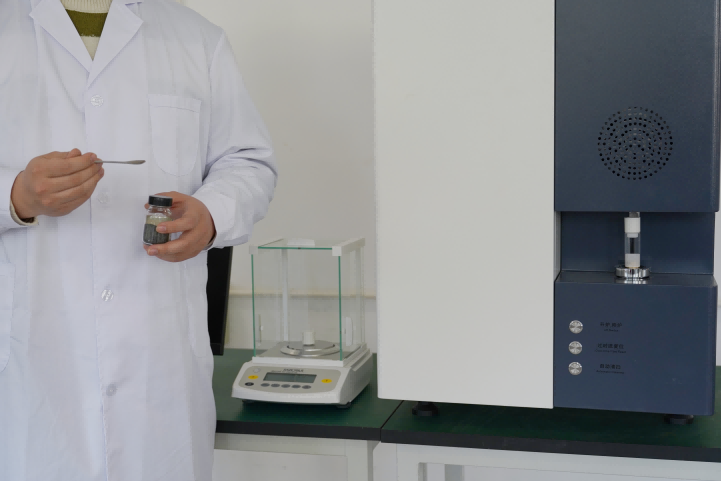
سیستم فنی ازآنالایزر گوگرد کربن مادون قرمز با فرکانس بالاشامل چهار ماژول اصلی است: سیستم فعالسازی احتراق القایی با فرکانس بالا، سیستم تصفیه گاز و پیشتصفیه کاتالیزوری، سیستم تشخیص طیفسنجی مادون قرمز و سیستم کالیبراسیون و محاسبه دادهها. این ماژولها به طور مشترک برای تکمیل عملیات استاندارد کامل فرآیند تبدیل عناصر نمونه، حذف ناخالصی، دریافت سیگنال و خروجی کمی کار میکنند.
۲.۱ مکانیسم اکسیداسیون دمای بالای القایی با فرکانس بالا
این تجهیزات، ذوب و اکسیداسیون سریع نمونه را بر اساس اثر حرارتی جریان گردابی الکترومغناطیسی محقق میکنند. نمونه جامد مورد اندازهگیری، پس از وزن شدن دقیق، در یک بوته سرامیکی قرار میگیرد، با یک سیستم فلاکسینگ مناسب هماهنگ میشود و در ناحیه رزونانس یک کویل القایی با فرکانس بالا قرار میگیرد. اکسیژن با خلوص بالا به عنوان محیط پشتیبان احتراق و گاز حامل وارد سیستم میشود. تحت تأثیر یک میدان الکترومغناطیسی متناوب با فرکانس بالا، محیط فلاکسینگ گرمای جریان گردابی شدیدی تولید میکند و فوراً یک محیط واکنش غنی از اکسیژن با دمای بالا از 1600 تا 1800 درجه سانتیگراد ایجاد میکند.
تحت این شرایط عملیاتی، ماتریس نمونه کاملاً ذوب شده و پیوند داخلی و آزاد میشود.عناصر کربن و گوگردواکنشهای اکسیداسیون کامل را پشت سر میگذارند که از نظر کمی به محصولات گازی مشخص تبدیل میشوند: کربن عمدتاً به دیاکسید کربن تبدیل میشود و مقادیر کمی مونوکسید کربن تولید میشود؛ گوگرد به صورت جهتدار به دیاکسید گوگرد تبدیل میشود. این تجهیزات از طریق تنظیم دقیق پارامترهای عملیاتی، تولید محصولات جانبی تریاکسید گوگرد را سرکوب میکنند، از انحرافات سیستماتیک در تشخیص گوگرد جلوگیری میکنند و کامل بودن و منحصر به فرد بودن تبدیل عنصری را تضمین میکنند.
۲.۲ خالصسازی گاز احتراق و پیشتصفیه کاتالیزوری
گاز دودکش مخلوط تولید شده توسط احتراق نمونه حاوی گرد و غبار، رطوبت، اکسیدهای مزاحم ناچیز و مونوکسید کربن ناچیز ناقص اکسید شده است که میتواند تأثیر جبرانناپذیری بر دقت تشخیص نوری مادون قرمز داشته باشد. این تجهیزات با یک واحد تصفیه دقیق یکپارچه پیکربندی شده است. از طریق فیلتراسیون چند مرحلهای، آبزدایی و حذف ناخالصی، و در ترکیب با یک دستگاه تبدیل اکسیداسیون کاتالیزوری کارآمد، مونوکسید کربن ناچیز به طور کامل به دی اکسید کربن تبدیل میشود و به بازیابی کامل ۱۰۰٪ عناصر کربن دست مییابد. فرآیند پیش تصفیه تصفیه شده، انحرافات اندازهگیری ناشی از تداخل ناخالصی گاز دودکش و تبدیل ناقص را از بین میبرد و یک سیستم گاز با خلوص بالا و بدون تداخل را برای تشخیص کمی نوری بعدی فراهم میکند و در نتیجه به طور مؤثر پایداری عملیاتی و تکرارپذیری طولانی مدت تجهیزات را افزایش میدهد.
۲.۳ طیفسنجی مادون قرمز، اصل تشخیص کمی
منطق تشخیص هسته با قانون جذب نور بیر-لامبرت مطابقت دارد و تجزیه و تحلیل کمی را بر اساس خواص جذب مادون قرمز مشخصه مولکولهای گاز انجام میدهد. مولکولهای گاز با قطبیتهای مختلف، باندهای جذب مادون قرمز منحصر به فردی با گزینشپذیری طیفی بسیار بالا دارند: مولکولهای دیاکسید کربن دارای اثر جذب مشخصه بر نور مادون قرمز در طول موج خاص ۴.۲۶ میکرومتر هستند که برای تشخیص کمی کل کربن مناسب است؛ مولکولهای دیاکسید گوگرد جذب خاصی را برای نور مادون قرمز در طول موج ۷.۴ میکرومتر ایجاد میکنند که برای تشخیص کمی کل گوگرد مناسب است.
مسیر نوری تشخیص شامل یک منبع نور مادون قرمز با دقت بالا، یک جزء برش نور مدولاسیون، یک سلول گازی با دمای ثابت مهر و موم شده و یک آشکارساز فوتوالکتریک بسیار حساس است. این سیستم میتواند به صورت انعطافپذیر با سلولهای گازی دوتایی مستقل (سلولهای جذب نوری دو باندی) برای غلظتهای بالا/پایین پیکربندی شود، به طور خودکار نور را برش دهد یا دادهها را به صورت همزمان در چندین کانال بر اساس غلظت محصولات گازی جمعآوری کند. این امر به طور موثر تناقض بین اشباع سیگنال در نمونههای با غلظت بالا و نسبت سیگنال به نویز ناکافی در نمونههای کمیاب را حل میکند. پس از مدولاسیون، یک پرتو مادون قرمز پایدار از سلول گازی حاوی گاز مورد اندازهگیری عبور میکند. غلظت گاز به طور خطی با درجه تضعیف نور مادون قرمز در باند مربوطه همبستگی مثبت دارد. آشکارساز فوتوالکتریک تغییرات سیگنالهای نوری را در زمان واقعی جمعآوری کرده و آنها را به سیگنالهای الکتریکی استاندارد تبدیل میکند و دریافت دقیق سیگنالهای تشخیص خام را تکمیل میکند.
۲.۴ کالیبراسیون دادهها و خروجی محاسبات هوشمند
این سیستم با تکیه بر مواد مرجع ملی دارای گواهینامه، منحنیهای کالیبراسیون گرادیان را برای ساخت یک مدل کمی استاندارد ایجاد میکند. این سیستم با ترکیب پارامترهایی مانند حجم سلول گاز، سرعت جریان گاز حامل و جبران دما و فشار محیط، از الگوریتمهای داخلی برای کاهش نویز، برازش و تبدیل سیگنالهای الکتریکی جمعآوریشده استفاده میکند و کسر جرمی عناصر کربن و گوگرد را در نمونه به طور دقیق محاسبه میکند. در عین حال، مجهز به ماژولهای ردیابی دادهها، ذخیرهسازی و تجزیه و تحلیل آماری، میتواند به طور خودکار گزارشهای آزمایش انطباق را تولید کند و رویههای آزمایش استاندارد، دادههای قابل ردیابی و نتایج قابل تأیید را محقق سازد.
۳. ویژگیهای فنی اصلی
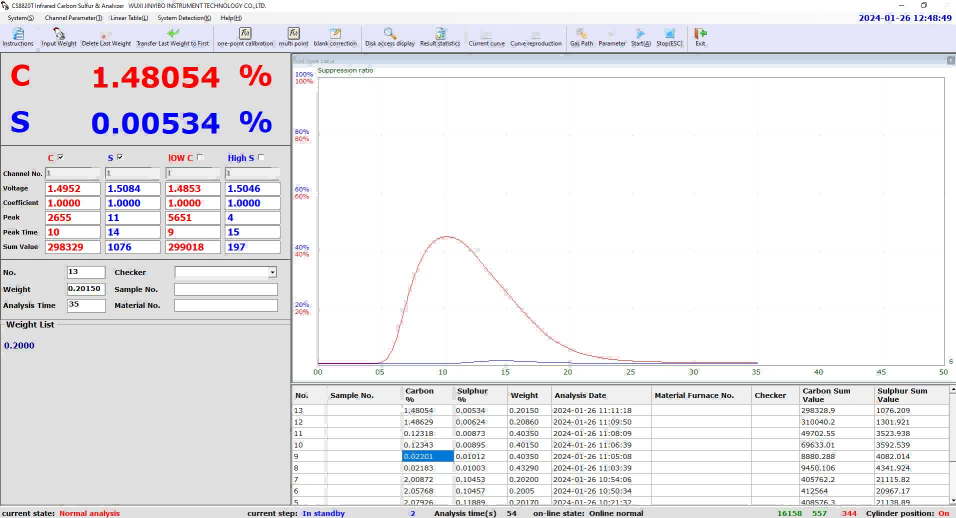
دقت تشخیص عالیاین دستگاه با تکیه بر اصول کمی نوری، از خطاهای سیستماتیک دستی تشخیص شیمیایی سنتی جلوگیری میکند. حد تشخیص عناصر کمیاب میتواند به سطح ppm برسد که میتواند نیازهای تشخیص میکروکربن و میکروسولفور آلیاژهای ویژه پیشرفته و مواد جدید با خلوص بالا را برآورده کند.
عملکرد تشخیص کارآمدفرآیند تجزیه و تحلیل کاملاً خودکار نیازی به پیش تصفیه پیچیده ندارد. چرخه تشخیص برای یک نمونه واحد در عرض 20 تا 40 ثانیه کنترل میشود و آن را برای سناریوهای آزمایش صنعتی دستهای و با فرکانس بالا مناسب میسازد.
سازگاری عملیاتی قویمعماری یکپارچه ماژولار دارای قابلیتهای ضد تداخل عالی است که با تشخیص نمونههای جامد چند دستهای مانند فلزات، سنگهای معدنی و پودرها سازگار است، در حالی که تشخیص گرادیان کامل طیف وسیعی از نمونههای کمیاب و با غلظت بالا را نیز در بر میگیرد.
درجه بالای استانداردسازیمنطق تشخیص، سیستم کالیبراسیون و خروجی دادههای کل دستگاه با استانداردهای آزمایش صنعتی مطابقت دارد و الزامات استاندارد کنترل کیفیت تولید صنعتی، آزمایش انطباق با شخص ثالث و تجزیه و تحلیل دادههای تحقیقات علمی را برآورده میکند.
۴. ارزش کاربرد صنعتی
به عنوان تجهیزات اساسی اصلی برای تجزیه و تحلیل فیزیکی و شیمیایی مواد، آنالایزر کربن-گوگرد مادون قرمز با فرکانس بالا به طور گسترده در متالورژی آهنی، فلزات غیر آهنی، مصالح ساختمانی، انرژیهای نو و مواد جدید، آزمایش تجهیزات ویژه و سایر زمینهها مورد استفاده قرار میگیرد. با کنترل دقیق محتوای کربن و گوگرد مواد، میتوان شاخصهای اصلی عملکرد مانند استحکام مواد، مقاومت در برابر خوردگی و پایداری را به طور مؤثر مدیریت کرد. این امر از نقص کیفیت محصول در منبع جلوگیری میکند و به شرکتها کمک میکند تا فرآیندهای تولید را بهینه کنند، هزینههای تولید را کاهش دهند و انطباق محصول و رقابت در بازار را افزایش دهند.
در پس زمینه ارتقاء صنعت تولید سطح بالا، ریزدانهآزمایش موادبه یک نیاز اساسی در صنعت تبدیل شده است. مادون قرمز با فرکانس بالا با تکیه بر مزایای اصلی خود یعنی دقت، اتوماسیون و استانداردسازی،فناوری تجزیه و تحلیل گوگرد کربنبه یک پشتیبان مهم برای ارتقاء هوشمند سیستمهای بازرسی کیفیت صنعتی تبدیل شده است که دارای سازگاری بلندمدت با صنعت و ارزش تکرار فنی است.
سوالات متداول
سوال ۱: چرا باید در طول احتراق القایی با فرکانس بالا، عوامل گدازآور (مانند گرانول تنگستن، براده آهن و گرانول قلع) اضافه شوند؟
عوامل گدازآور (آهن خالص، گرانول تنگستن، گرانول قلع) مواد مصرفی ضروری برای احتراق القایی با فرکانس بالا هستند که به طور مشترک چهار عملکرد اصلی را انجام میدهند:
ماتریس گرمایش القایی الکترومغناطیسی(آهن خالص): آهن خالص که برای نمونههای غیرمغناطیسی و نمونههایی که القای آنها دشوار است، در نظر گرفته شده است، دارای خاصیت فرومغناطیسی است و در یک میدان مغناطیسی متناوب با فرکانس بالا، گرمای جریان گردابی تولید میکند و یک محیط اساسی با دمای بالا ایجاد میکند. تنگستن و قلع فاقد خاصیت فرومغناطیسی هستند و نمیتوانند با تکیه بر میدانهای مغناطیسی با فرکانس بالا، خود را گرم کنند.
روانساز و رقیقسازی برای بهبود سیالیت حوضچه مذاب(عمدتاً قلع): دمای ذوب سیستم را کاهش میدهد و ماتریسهای با نقطه ذوب بالا را رقیق میکند تا یک حوضچه مذاب مایع تشکیل شود. کربن و گوگرد فقط در حالت مذاب میتوانند به طور کامل آزاد شوند.
گرمازایی اکسیداتیو برای افزایش دمای احتراق(گرانولهای تنگستن): در شرایط دمای بالا و غنی از اکسیژن، تنگستن به سرعت اکسید میشود و مقدار زیادی گرمای واکنش آزاد میکند و دمای موضعی بوته را به بالای ۱۷۰۰ درجه سانتیگراد میرساند و اکسیداسیون کامل نمونههای نسوز را تضمین میکند.
کنترل ویژگیهای اسید-باز حوضچه مذاب: خواص سرباره را از طریق محصولات اکسیداسیون تنظیم میکند تا از تشکیل اجسام شیشهای که نمونه را احاطه کرده و مانع فرار گاز میشوند، جلوگیری کند. همزمان، پاشش مذاب را کاهش داده و آزادسازی کامل کربن و گوگرد را بهبود میبخشد.
سوال ۲: وقتی یک آنالیزور مادون قرمز با فرکانس بالا، نمونههای «کربن بسیار کم/گوگرد بسیار کم (مقدار ناچیز)» را اندازهگیری میکند، عوامل اصلی تداخل کدامند و چگونه میتوان آنها را حذف کرد؟
برای تشخیص کربن بسیار کم و گوگرد بسیار کم (سطح ppm)، خطاها به شدت افزایش مییابند. تداخل به سه دسته تقسیم میشود: فضای خالی سیستم، تداخل جذب و آلودگی متقابل حافظه. طرحهای کنترل مربوطه به شرح زیر است:
زمینه بوته سرامیکی خالی
مشکل: منافذ سرامیک به راحتی CO2 و ناخالصیهای آلی را جذب میکنند.
راه حل: بوتهها باید به مدت ۲ تا ۴ ساعت در کوره مافل با دمای ۱۰۰۰ تا ۱۲۰۰ درجه سانتیگراد پخته شوند و در طول فرآیند خنک شدن در دسیکاتور نگهداری شوند.
عامل شار خالی
مشکل: ناخالصیهای موجود در عوامل گدازآور میتوانند بر اندازهگیریهای جزئی تأثیر بگذارند.
راه حل: باید تنگستن، قلع یا آهن خالص با خلوص فوقالعاده بالا، کم کربن، کم گوگرد و یا با خلوص پایین انتخاب شوند. آزمایشهای شاهد باید قبل از تجزیه و تحلیل رسمی انجام شوند و نرمافزار مقدار شاهد پایدار را کم میکند.
تداخل گاز حامل و خط گاز
مشکل: ناخالصیها یا رطوبت موجود در خطوط گاز باعث ایجاد نویز سیگنال میشوند.
راه حل: خلوص اکسیژن باید ≥99.995٪ باشد. دستگاههای کربنزدایی و تصفیه آبزدایی باید در ورودی گاز پیکربندی شوند. گاز دودکش احتراق باید به واحدهای غبارگیری دقیق و خشککن عمیق مجهز شود تا تداخل رطوبت بر سیگنال مادون قرمز SO2 از بین برود و جذب گرد و غبار دیاکسید گوگرد کاهش یابد.
آلودگی انسانی و محیطی
مشکل: ترکیبات آلی خارجی یا گریس، نمونه را آلوده میکنند.
راه حل: لمس بوتهها، نمونهها یا مواد گدازآور با دست برهنه اکیداً ممنوع است. رسوب اکسید و روغن روانکننده برش روی سطح نمونه باید تمیز شوند تا از آلودگی کربن خارجی جلوگیری شود.
اثر حافظه بین نمونهها
مشکل: رسوبات باقیمانده از نمونههای با محتوای بالای قبلی، نتایج ردیابی بعدی را منحرف میکنند.
راه حل: قبل از تجزیه و تحلیل نمونههای با محتوای بسیار کم، میتوان ۲ تا ۳ چرخه احتراق خالی با دمای بالا را برای پاکسازی رسوبات کربن و گوگرد باقیمانده از سر کوره و فیلتر اجرا کرد. نمونههای با محتوای زیاد و کم باید در دستههای جداگانه آزمایش شوند.
لطفا برای سوالات بیشتر یا اطلاعات دقیق با ما تماس بگیرید!
تلفن: +86-183-5283 6805
ایمیل: sales@jinyibo.com
وب سایت: www.jinyibo.com